Who are we nurturing?
Children, Teachers and Parents in challeging and rural Sri Lanka to ensure they get the best chances to uplift the next generation of Sri Lanka with no negative impact to their envoirenment or current financial means
Rural Children
Children in remote, rural and dry zone areas with limited access to English knowlegde
New Parents
Parents who have just given birth but need education on raising
ECD Teachers
Who educate the next generation through their most formative years (3-5)
OUR TARGET
Expecting Parents
Couples or single parents that want to learn how to prepare themselves as best as possible
Future Parents
Individuals that need to understand how to establish the right envoirenment to conceive
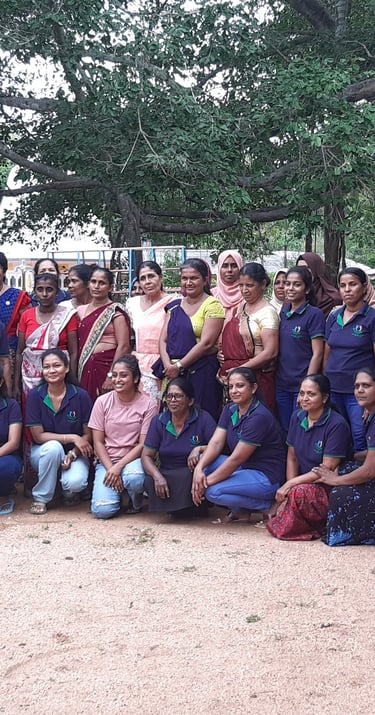
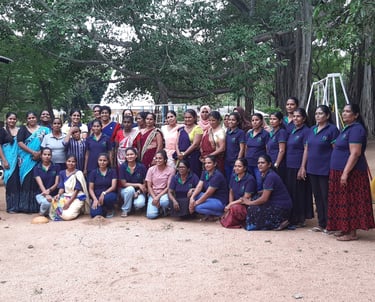

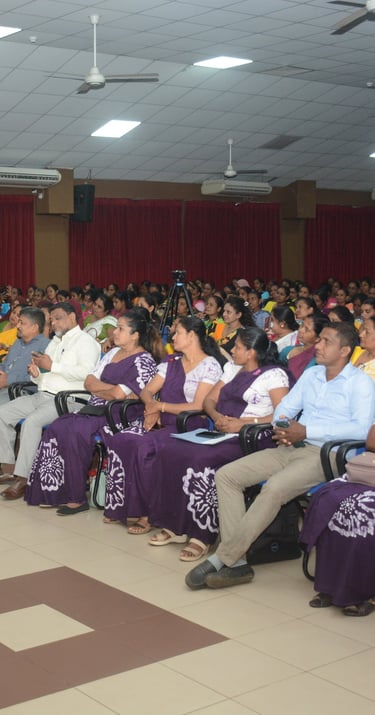


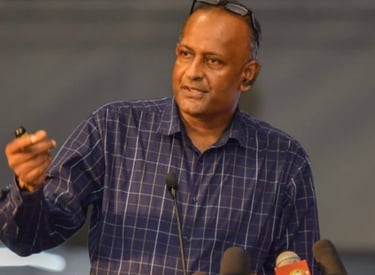
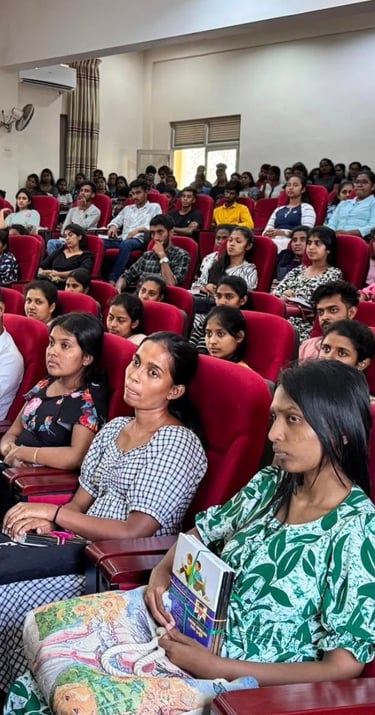
ECD Educator Training
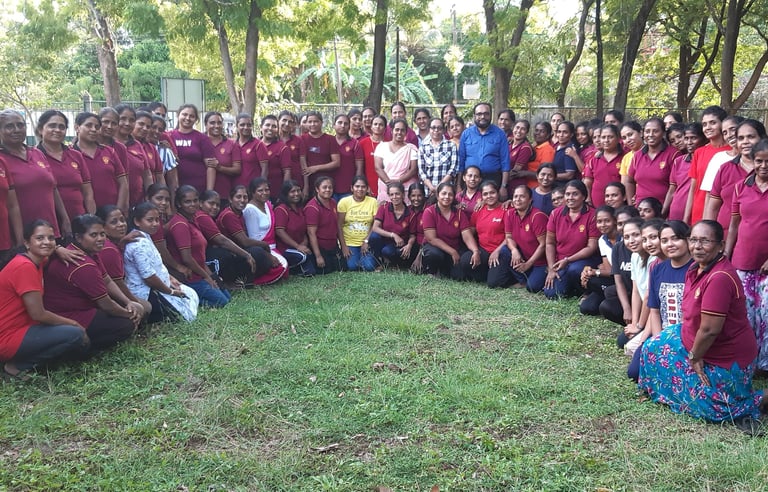
Four day intestive workshops focused on capacity building of ECD educators to leverage existing envoirenments to optimise education delivery to children of ages 3-5


Day 1 - Foundations of Early Childhood Development
Task 1: Core Principles of Early Childhood Education
Objectives of an Early Childhood Development (ECD) Center
Needs of Children in Early Childhood (Ages 3–6)
Philosophical Concepts for Early Childhood Education
Task 2: Developmental Domains in Early Childhood
Physical Development: Growth of fine and gross motor skills, strengthening coordinationand balance
Emotional & Social Development: Building self-discipline, learning cooperation and empathy, managing emotions
Cognitive Development: Early mathematical concepts, problem-solving, memory, logical thinking
Language Development: Pre-writing and pre-reading skills, listening and speaking abilities, phonological awareness
Creative & Aesthetic Development: Expression through music, movement, drama, and art
Task 3: Developmental Skills of Children Aged 4 & 5
Hand–eye coordination
Fine motor strengthening (grip, threading, drawing)
Gross motor strengthening (running, jumping, balance)
Early cognitive and language milestones
Social–emotional readiness for structured learning
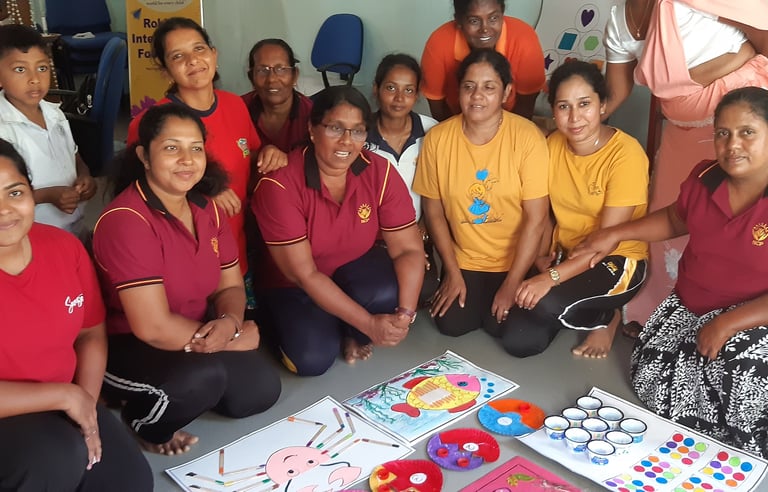
Day 2 - Teaching Themes & Learning Aids (Part 1)
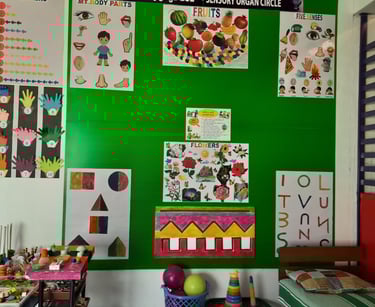
Theme 1: "Myself"
Physical Development: Identifying body parts, movement games
Language Development: Vocabulary about self, speaking and listening activities
Cognitive Development: Understanding similarities/differences, counting body parts
Aesthetic Development: Drawing self-portraits, role play
Environmental & Health Development: Hygiene, safety, healthy habits
Training Includes: Demonstrations on using teaching and learning aids, low-cost material creation, theme-based classroom setups.
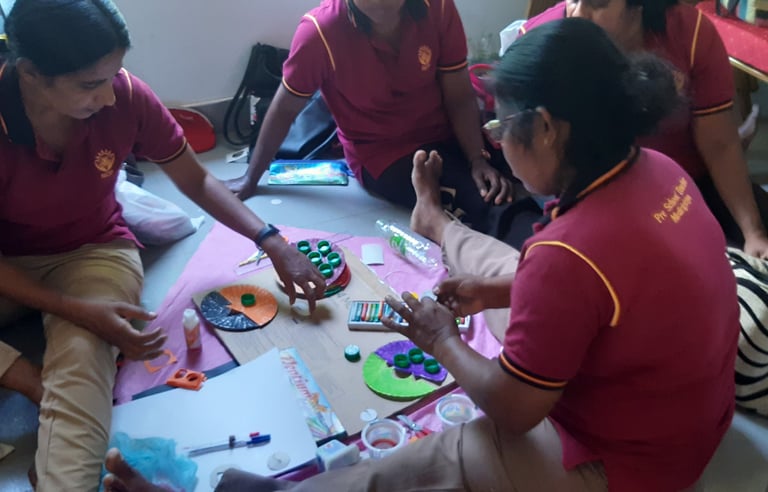
Day 3 - Teaching Themes & Learning Aids (Part 2)
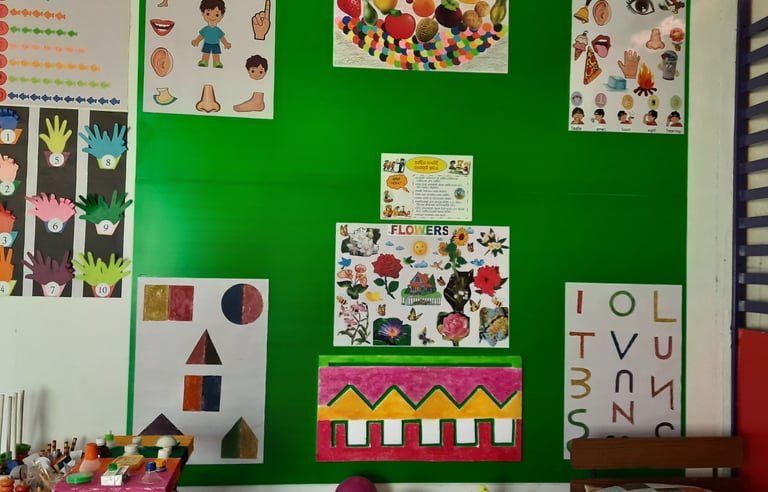
Theme 3: "Flowers"
Physical Development: Sorting flowers, fine motor craft activities
Language Development: Naming flowers, describing colors and shapes
Cognitive Development: Counting petals, classifying flowers
Aesthetic Development: Flower crafting, dance with petals
Environmental & Health Development: Learning about nature, caring for plants
Training Includes: Hands-on activities, creating subject-related learning aids, and demonstration of theme-based lessons.
Day 4 - Preschool Management & Professional Practice
Preschool Management Essentials
Organizing daily routines and learning circles
Classroom management and safety guidelines
Creating an inclusive learning environment
Parent–teacher communication strategies
Planning & Documentation
Teachers will learn to create:
Weekly plans
Monthly plans
Yearly development plans
Lesson plans aligned with national ECD standards
Example: Preparing weekly, monthly, and yearly themes with structured learning circles.
OUR RESPONSES
*Five themes covered per day
*Five themes covered per day
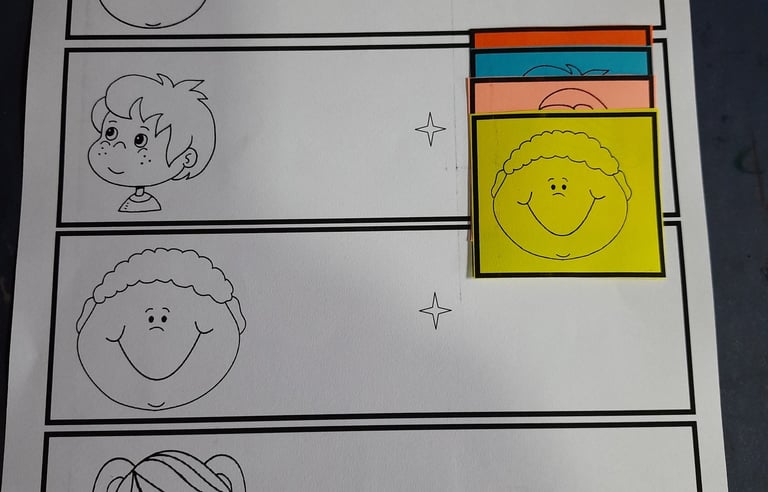
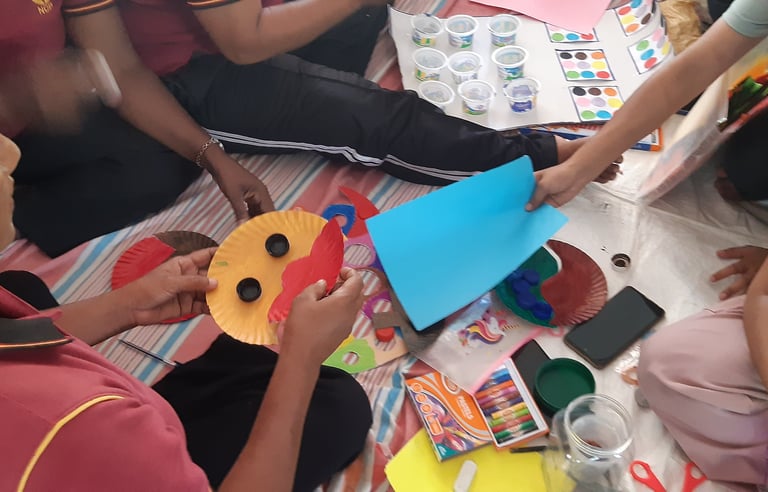
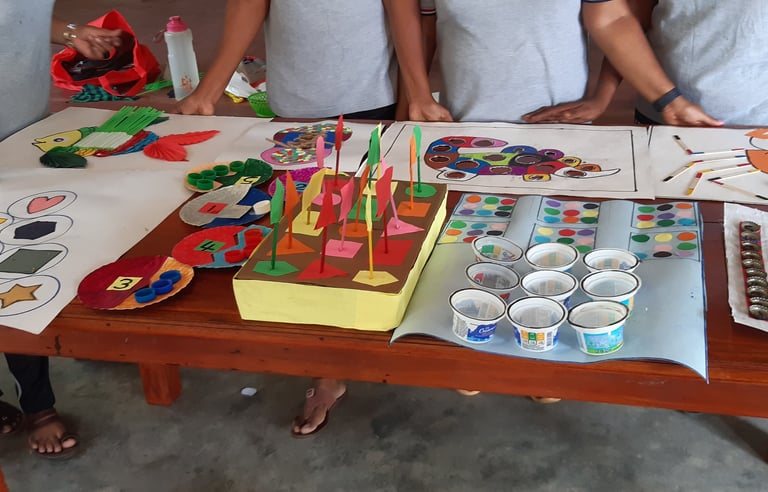
Craft Activity Packs
Allow ECD institutions to develop the child growth with effective mediums with ease as educators are limited interms of developing these locally
Craft Packs for Rural Children
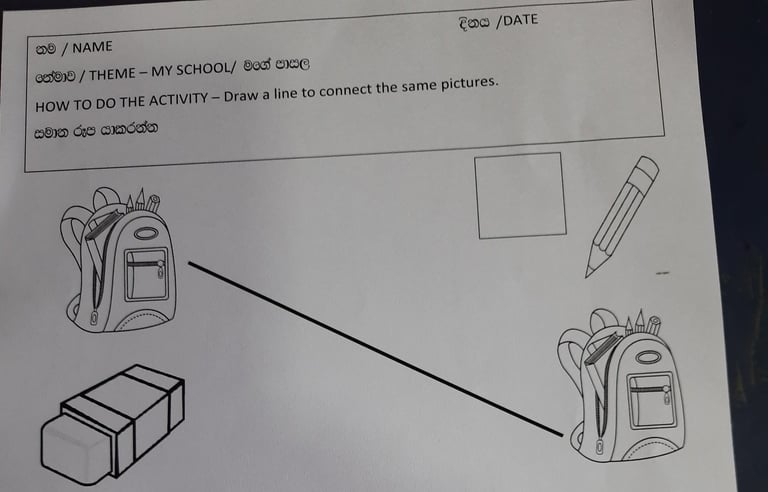
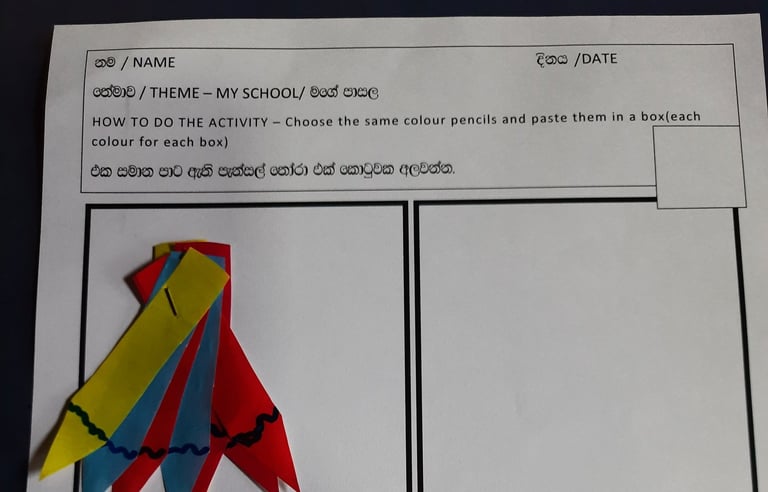
Provide theme based craft packs for ECD institute
Each pack will include all material required for the acitivties along with instructions
Each pack will be per month, four themes and 40 activities (10 activities per theme)
Democratise English
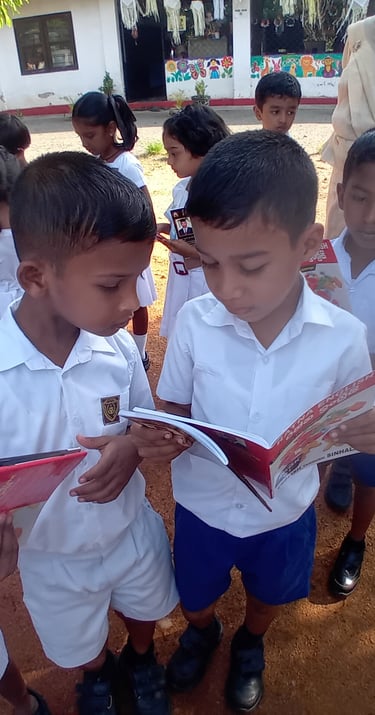
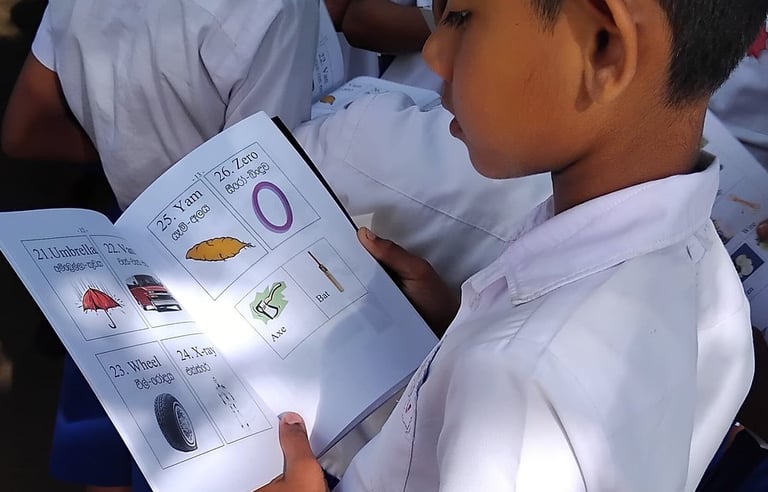
Provide a self learning platform for rural children via publications that articulate self thaught techinques in local lanugages
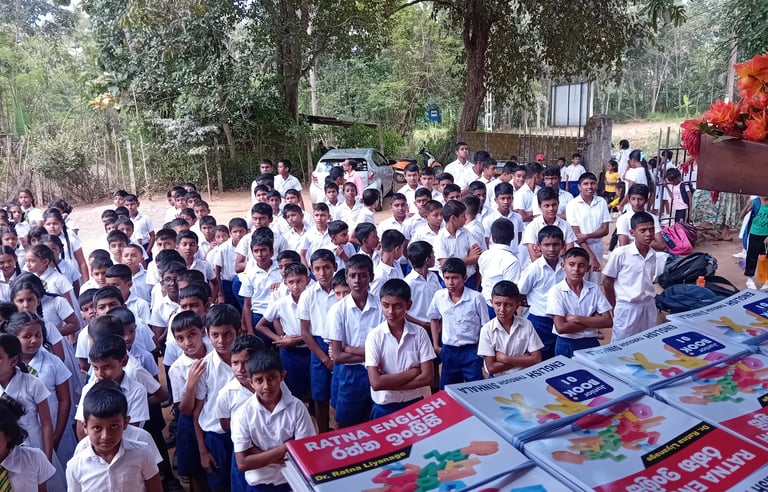
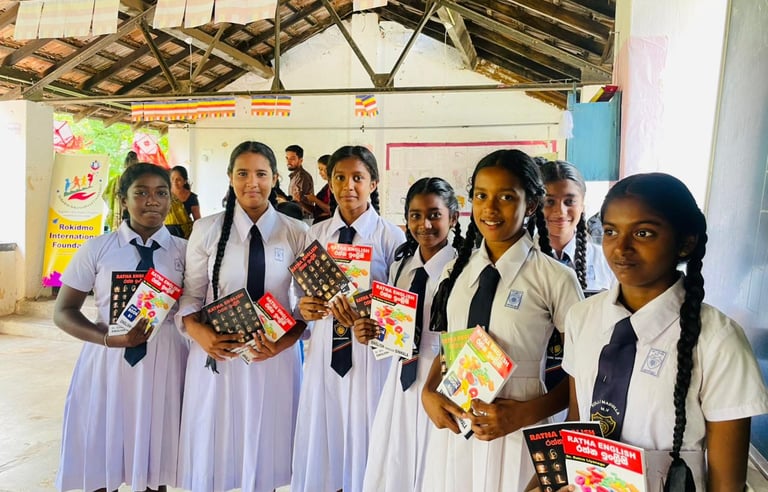
Self Learing English Text Books
10 books published via a reputable local teaching expert (Alphabet to Complete Grammar / Phonics)
Books are written in local languages to ease into picking up the language
Books are written with 50+ years of teaching experience
Clear impactful outline of how some with no English background can self-teach them selves from alphabet, volcabulary, grammar to example speaking engagements

Parental Awareness
Educate new, expecting and future parents on how to develop a safe and nuturing environment for children to grow and thrive


Educational Workshops
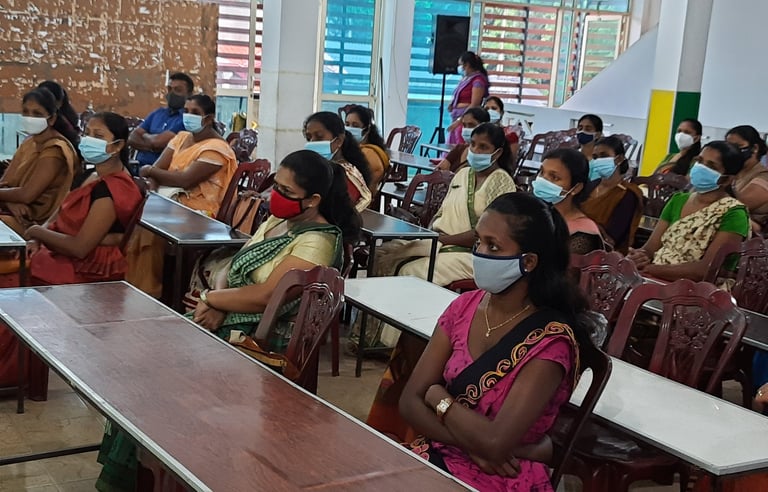
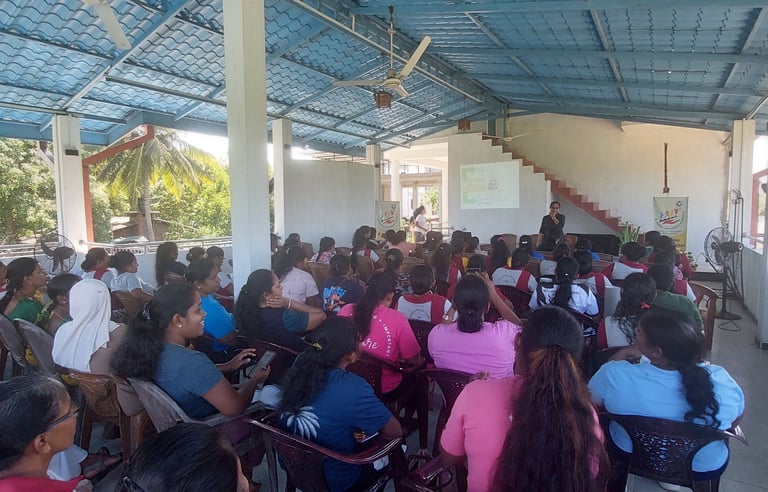
We focus on three high level groups of parents - 1) Future Parents 2) Expecting Parents and 3)New Parents
Educate on the clear needs of ECD - Safety, Relationships, Health, Nutrition, Wellbeing and General conduct
How to educate a child through daily experiences prior to primary school or pre-school education
How to allow the child to engage in social and communal activities
How to focus and develop emotional intelligence
How parents can become the right character citizen standard to set the right example to the child
How to best prepare to expect or conceive a child
How to parent a child with limited negative queues
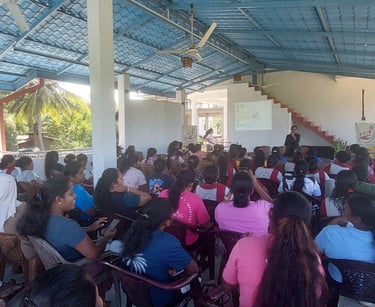
National ECD Curriculum
Continue to idendify gaps and coordinate the updates for the national curriculum to ensure that we stay by or ahead for the ECD curve
Framework to build, implement and continous improvement of a National ECD Curriculum
Help ECD eductors understand the curriculum and identify methods to implement it
Identify continued areas of improvments and act as a advisors or gate keepers to uphold the highest standards of ECD
Equip the teachers with ways to build their own aids via resuable and sustainable materials avoiding any fiancial impact to the preschool
Provide assistance and craft packs to ease the execution of the activities outlined in the curriculum
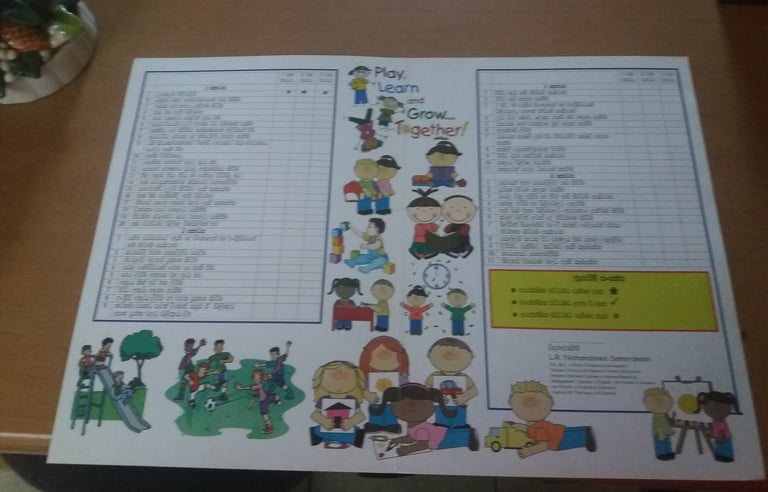
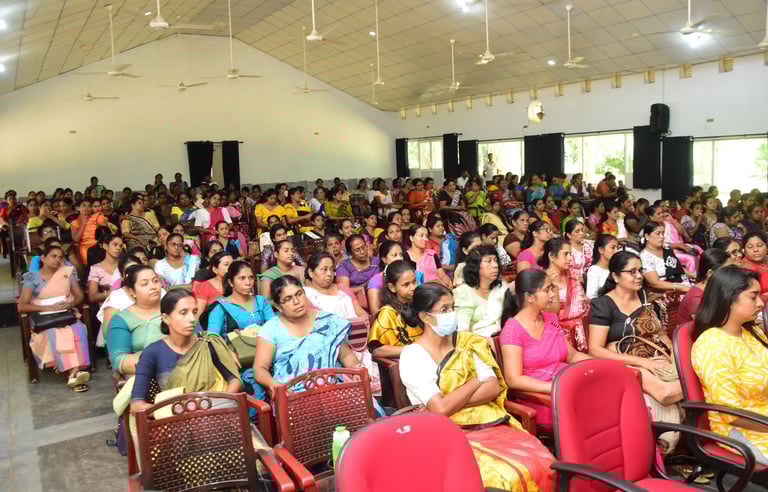
Model ECD Institution and Resource Centre
Provide a self learning platform for rural children via publications that articulate self thaught techinques in local lanugages
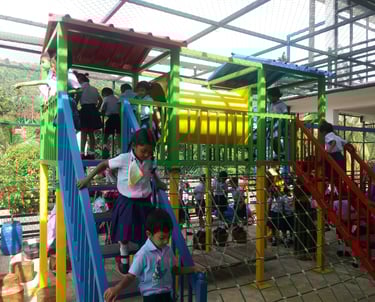
Training Hub
Where ECD educators will be provided with instructions on how to run a efficient ECD institution
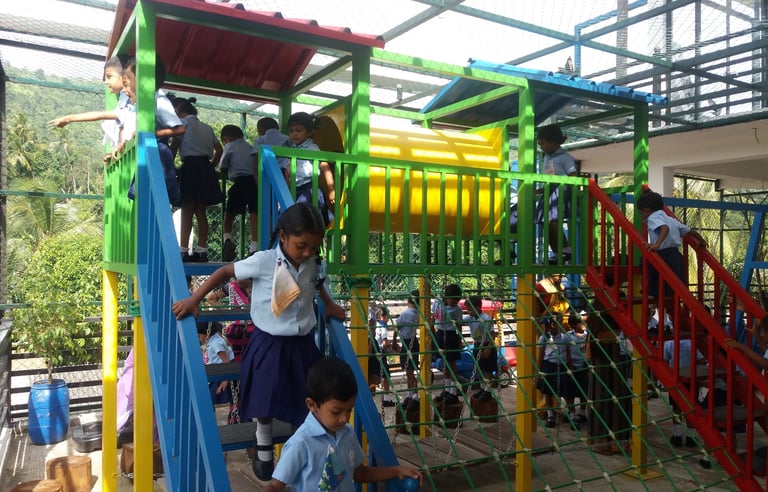
Model ECD Institution
Where anyone can see what a best in class ECD institution looks like so they can identify gaps and be inspired
Resource Center
Purchase crafts, aid and manuals, where all profits will go into our continued mission
FAQs
Who do you help?
We support early childhood educators, parents, and children in remote areas.
What education do you offer?
We teach early childhood development, parenting skills, birth preparation, and child-rearing frameworks. We also provide
How do you support emotional growth?
We provide tools and training to help educators and parents nurture emotional intelligence in children and themselves.
Do you cover nutrition?
Yes, we educate on health and nutrition tailored to each stage of a child’s growth.
Where are you located?
We operate in Sri Lanka, focusing on underserved and remote communities.
How can I get involved or support?
You can volunteer, donate, or join our training programs to help strengthen early childhood care. Please reach out to us, and we will outline the exact details for the programmes and how we use the resources we are given